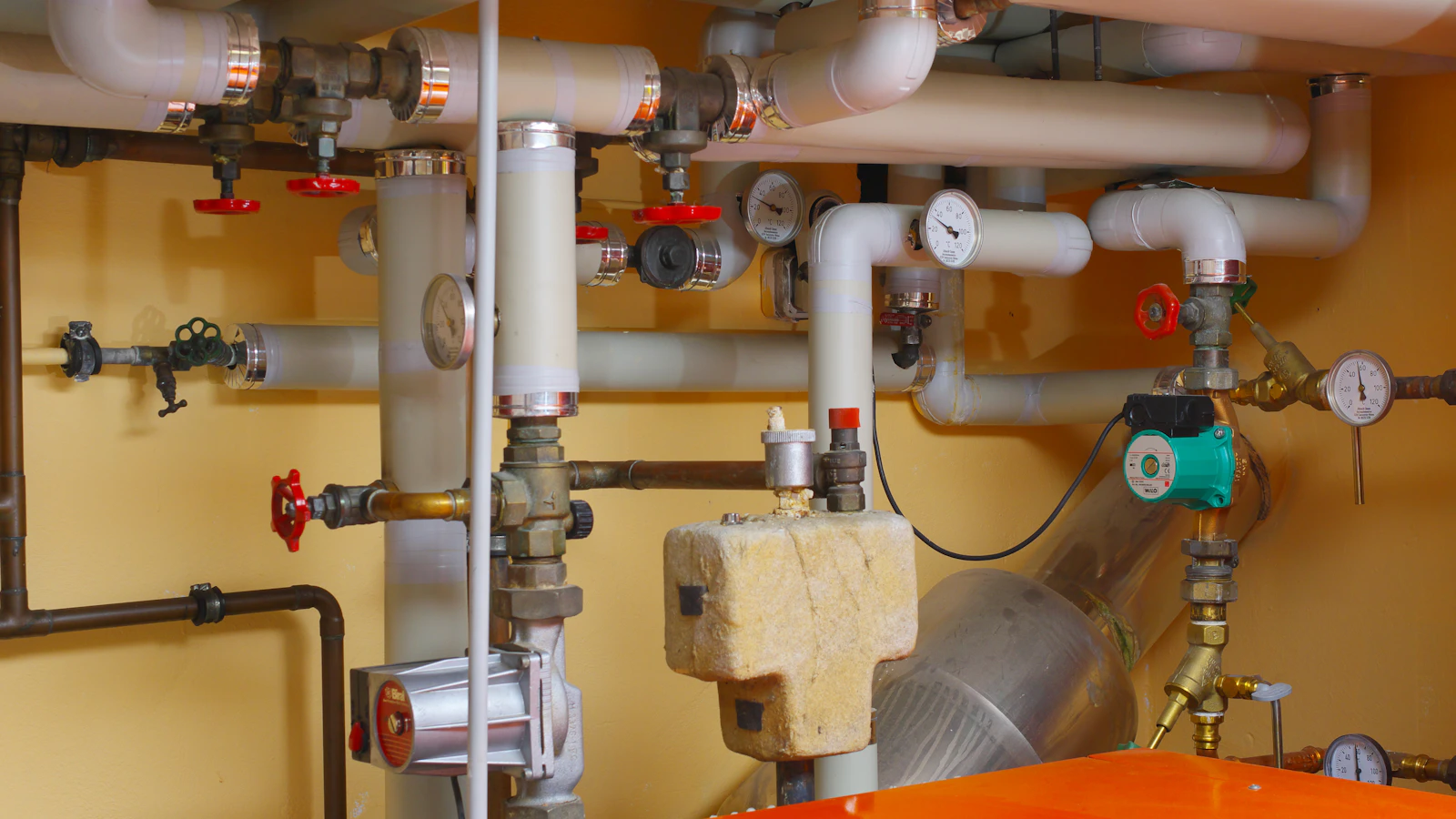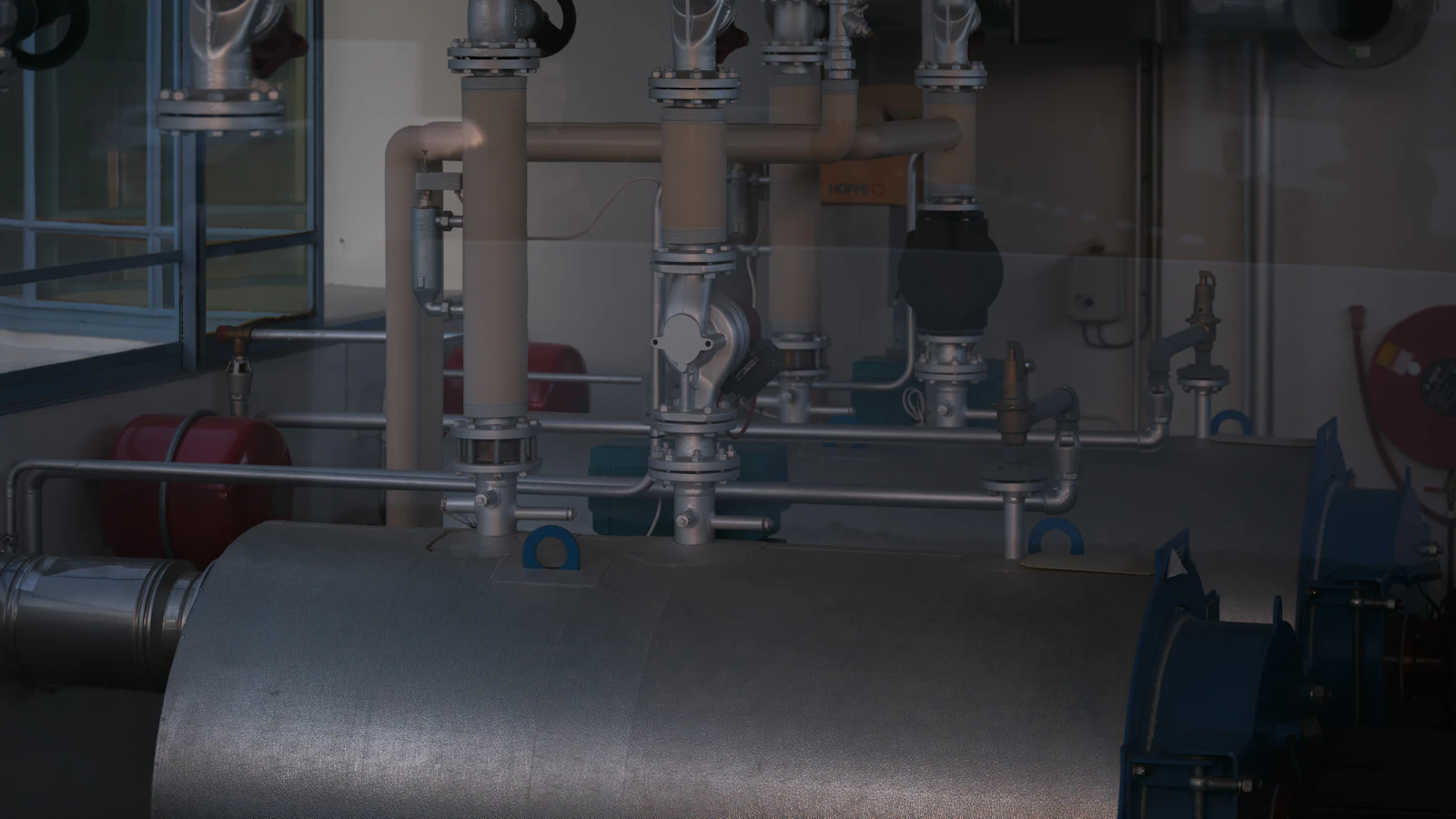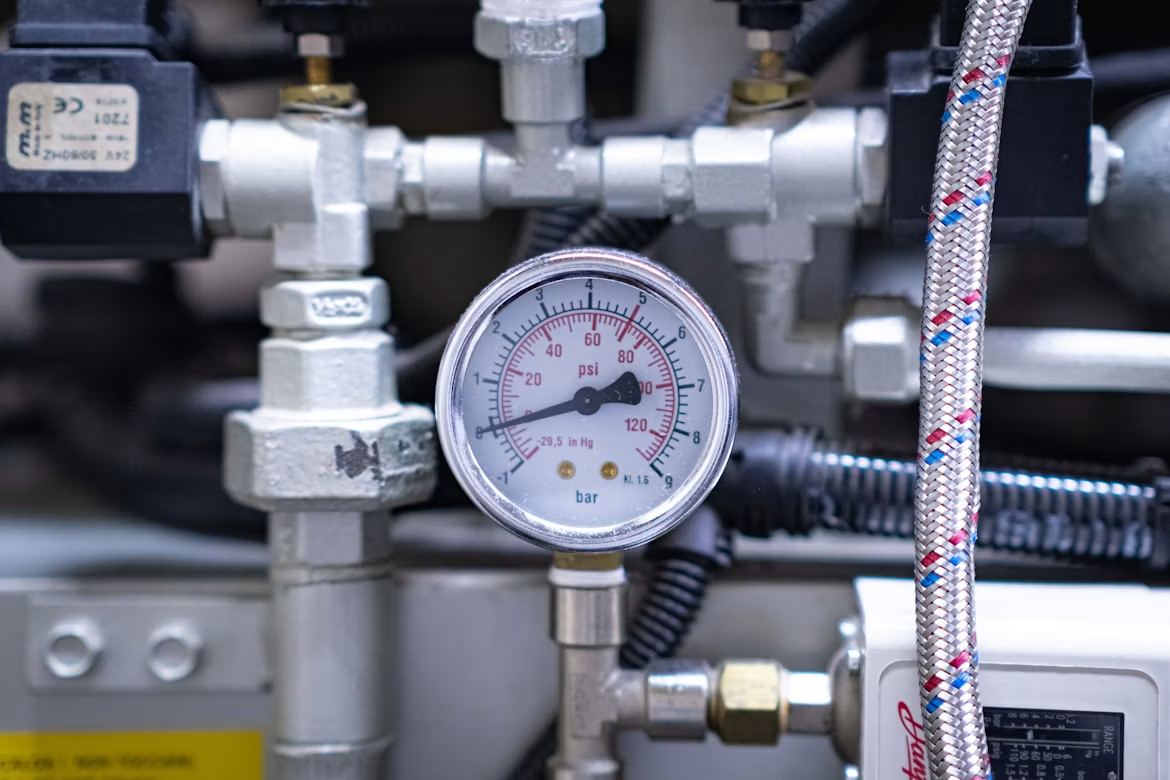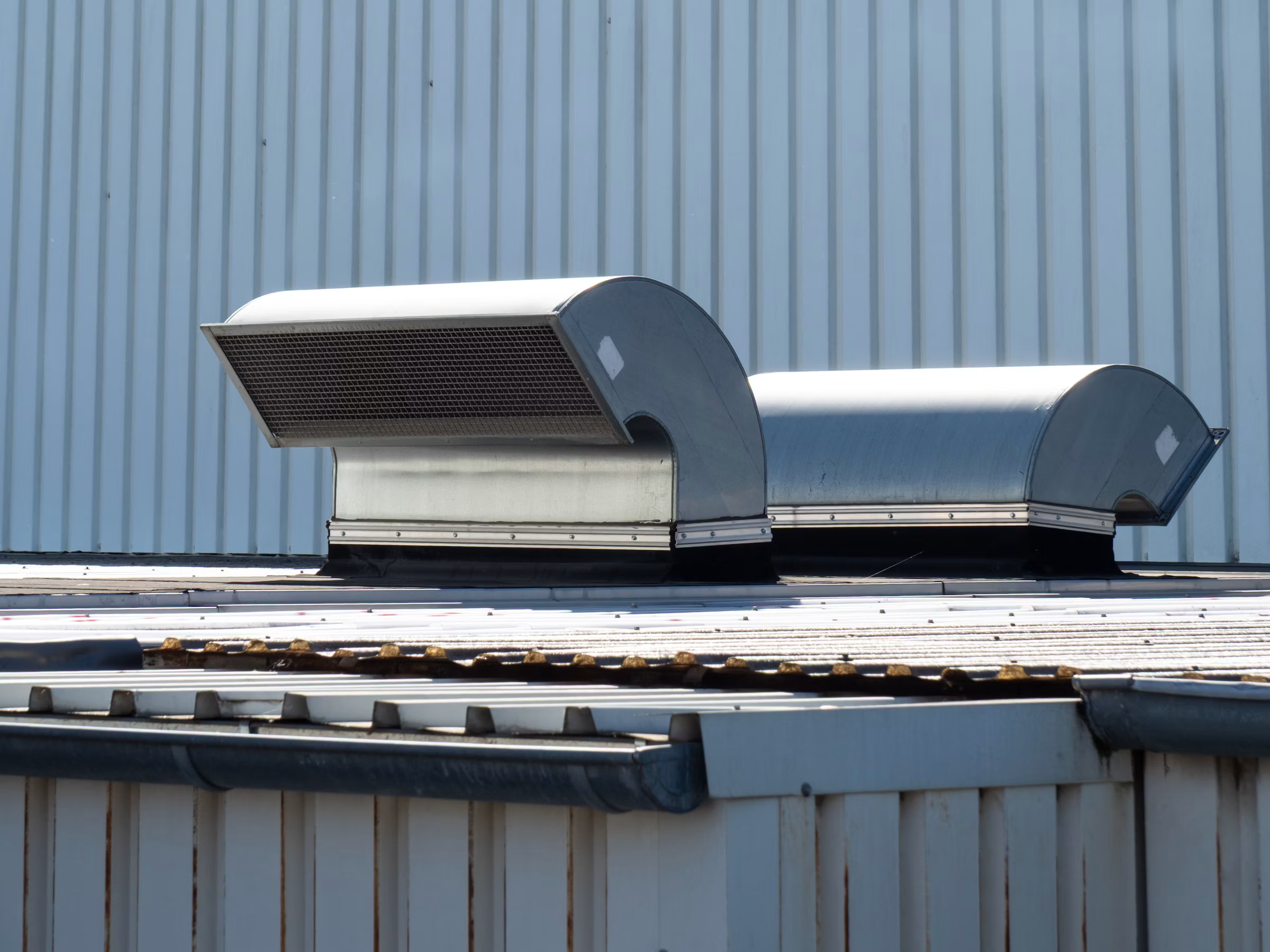

For years, “fix it when it breaks” was the default approach to commercial HVAC and boiler upkeep. But for facilities managers running offices, schools, manufacturing sites, and healthcare buildings across Sheffield and Yorkshire, reactive repair is increasingly the more expensive — and riskier — option. As building estates grow more complex and compliance expectations tighten, the gap between “we’ll deal with it when it fails” and a properly planned maintenance regime has become harder to ignore.
That’s why more FMs are moving to Planned Preventative Maintenance (PPM) contracts: scheduled servicing that catches problems before they become breakdowns, keeps compliance records audit-ready, and turns unpredictable repair bills into a known annual cost.
Here’s what the switch actually involves, and why it matters for your next budget cycle.
The real cost of reactive maintenance
Reactive repair looks cheaper on paper — you only pay when something goes wrong. In practice, it tends to cost more across the year, not less:
- Emergency call-out rates are almost always higher than scheduled service rates
- Unplanned downtime disrupts staff, students, patients, or customers with no warning
- Parts availability is worse in an emergency, often meaning higher prices or extended delays
- Compliance gaps build up quietly — a system that’s never been formally inspected has no audit trail to show at tender or inspection
- Asset lifespan shortens when equipment runs without regular servicing, bringing forward expensive replacement decisions
If any of this sounds familiar, it’s worth reading our piece on 7 Signs Your Commercial Boiler Needs Repair | Sheffield — those are exactly the warning signs a PPM contract is designed to catch before they happen.
What a PPM contract actually covers
A PPM contract isn’t just “a service once a year.” A properly structured contract typically includes:
- Scheduled inspections and servicing at intervals set by manufacturer guidance and industry standards (rather than whenever something fails)
- Priority response times for any issues that do arise, ahead of non-contract customers
- Parts and labour terms agreed in advance, so costs are predictable rather than negotiated under pressure
- Digital service records for every visit — the documentation FMs need for internal audits, insurer requirements, and tender submissions
- Compliance tracking for statutory requirements tied to your equipment, including F-Gas record-keeping obligations for systems containing refrigerant
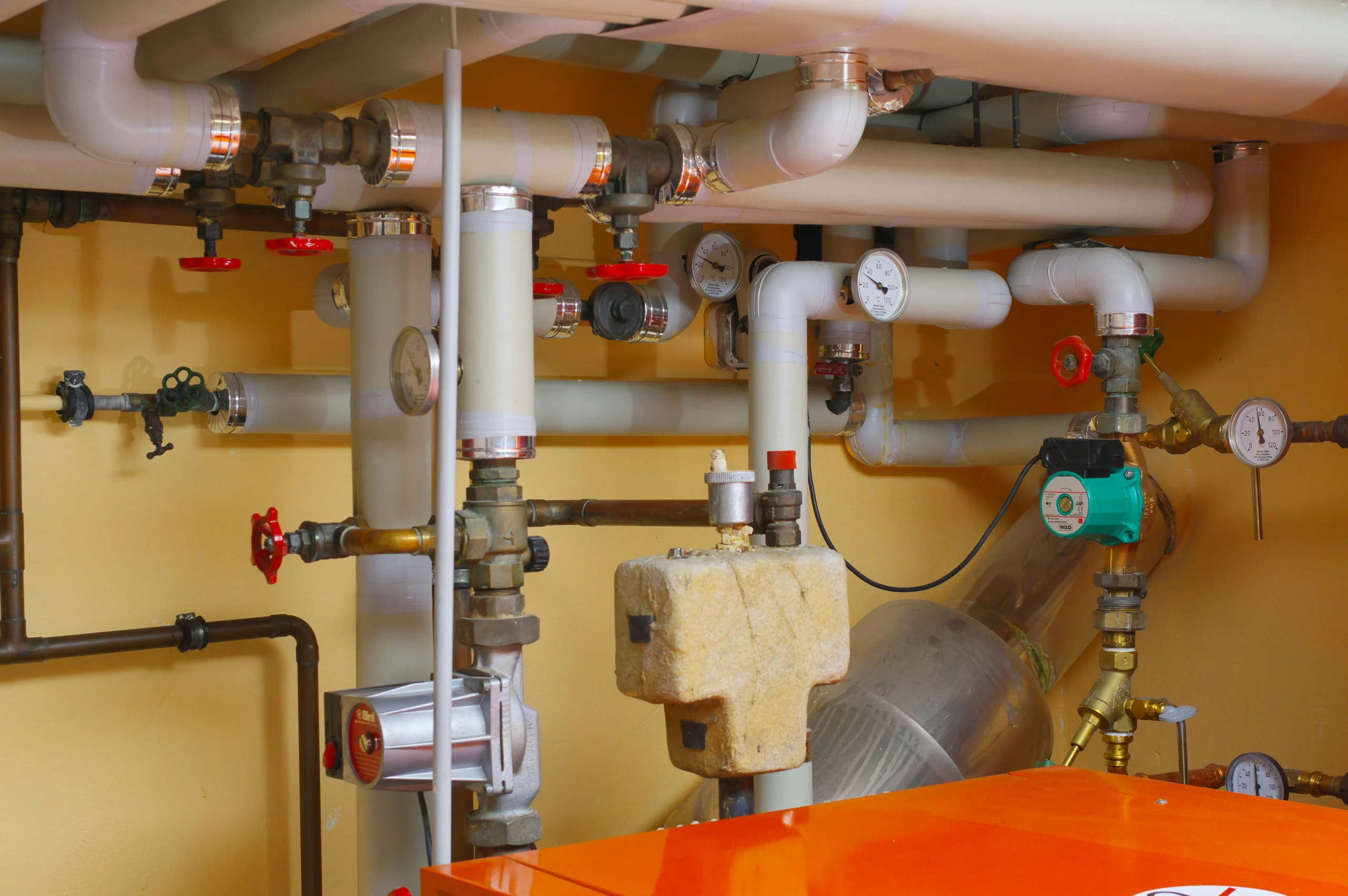
For heating plant, each scheduled visit covers what a commercial boiler service involves, from combustion analysis and cleaning to testing controls and safety devices.
What to look for in a PPM provider
Not all PPM contracts are equal, and the provider matters as much as the paperwork. Before signing, it’s worth checking:
- Accreditations — Gas Safe and F-Gas certification are non-negotiable for anyone working on boilers or refrigerant-containing systems; REFCOM and Constructionline Gold are further indicators of an audited, credible contractor
- Response time guarantees — get the priority response window written into the contract, not just promised verbally
- Digital record-keeping — a provider who logs service history digitally and shares reports after every visit saves you from chasing paperwork at audit time
- Engineer continuity — a consistent engineer or small team who knows your specific plant tends to catch developing issues faster than a rotating call-out roster
- Scope clarity — confirm exactly what’s included (labour, parts, call-outs) versus what’s chargeable separately, so there are no surprises mid-contract
Ecotech’s own engineers are Gas Safe and F-Gas certified, and the business holds REFCOM and Constructionline Gold accreditation — the same standards worth checking for in any provider you’re evaluating.
Planned maintenance vs reactive repair: a side-by-side view
| Reactive Repair | PPM Contract | |
| Cost pattern | Unpredictable, often highest at the worst time | Fixed annual cost, budgetable in advance |
| Downtime risk | High — failures happen without warning | Low — issues are caught before they escalate |
| Compliance record | Patchy or non-existent | Documented service history, audit-ready |
| Response priority | Queued alongside all other emergency call-outs | Priority response built into the contract |
| Equipment lifespan | Shortened by irregular servicing | Extended through consistent maintenance |
| Tender readiness | Difficult to evidence a maintained estate | Clear paper trail to support submissions |
Why compliance is the part FMs can’t afford to skip
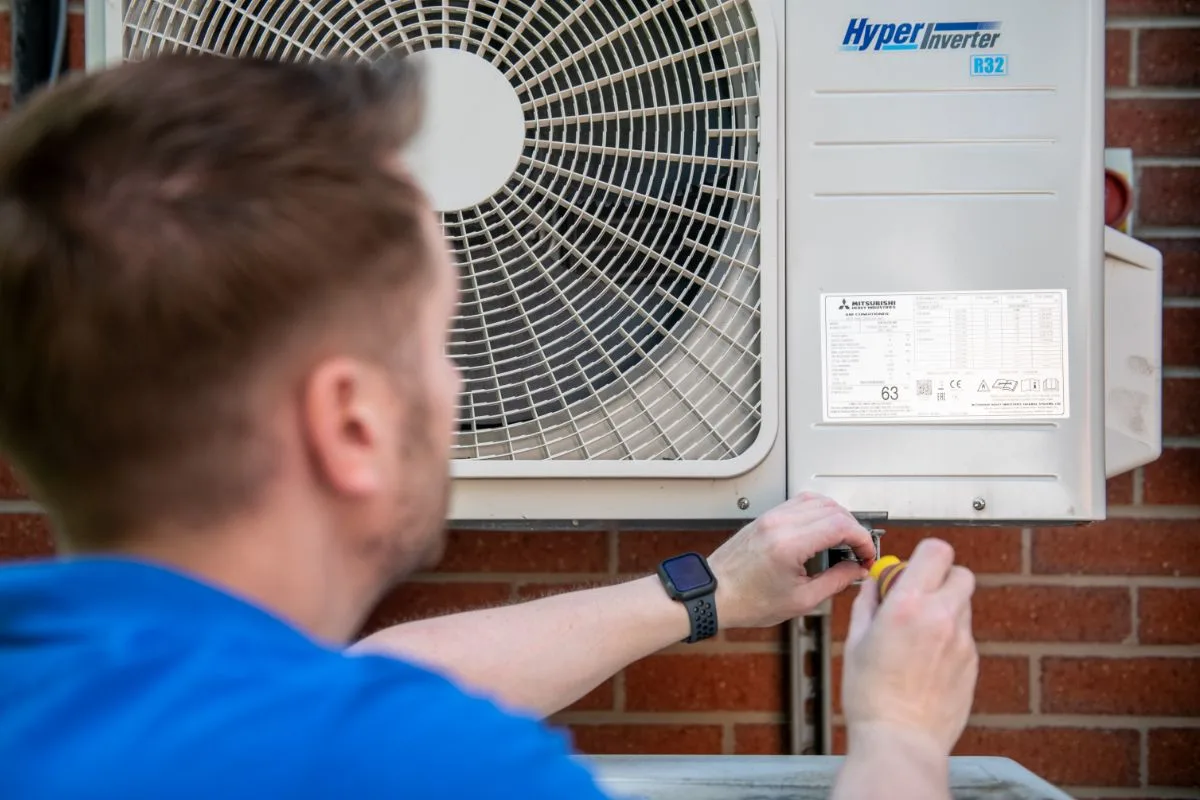
For commercial buildings running air conditioning, refrigeration, or heat pumps, F-Gas regulations bring specific record-keeping and leak-checking obligations depending on the refrigerant charge in each system. Requirements are set out in the government’s F-Gas guidance for users, producers and traders, and a PPM contract is the practical way most FMs stay on top of them — the service provider maintains the register, so “my engineer has the records somewhere” is never the answer when an inspector asks.
For a wider view of how planned maintenance schedules are structured across UK building services, SFG20 is the industry standard reference most facilities teams and contractors work from.
F-Gas is rarely the only statutory box an FM has to tick. A commercial building typically carries several overlapping compliance obligations, and a PPM contract is where most of them get tracked in one place rather than managed as separate one-off jobs:
- Water hygiene (L8/Legionella) — regular monitoring and record-keeping for water systems, particularly relevant for buildings with cooling towers, calorifiers, or complex hot/cold water systems
- LOLER — periodic thorough examination of any lifting equipment on site, including plant used for HVAC access and maintenance
- Gas safety inspections — statutory intervals for commercial gas appliances, separate from routine servicing
- Ductwork hygiene (TR19) — periodic cleaning and inspection of ventilation ductwork, particularly relevant in food service, healthcare, and manufacturing environments
Bringing these under a single PPM schedule, rather than juggling separate contractors and renewal dates, is usually where the audit-trail benefit becomes most obvious.
Who this suits
PPM contracts work well across most of the sectors we support, including the ones below. Our guide to how building type changes boiler servicing and repairs looks at each in more detail.
- Offices — keeping HVAC reliable for occupied workspace with minimal disruption
- Schools & education — servicing scheduled around term-time to avoid disrupting learning
- Manufacturing & industrial — protecting process-critical heating and cooling
- Medical & healthcare — meeting the compliance standard these environments demand
- Retail & hospitality — avoiding the customer-facing disruption of an unplanned breakdown
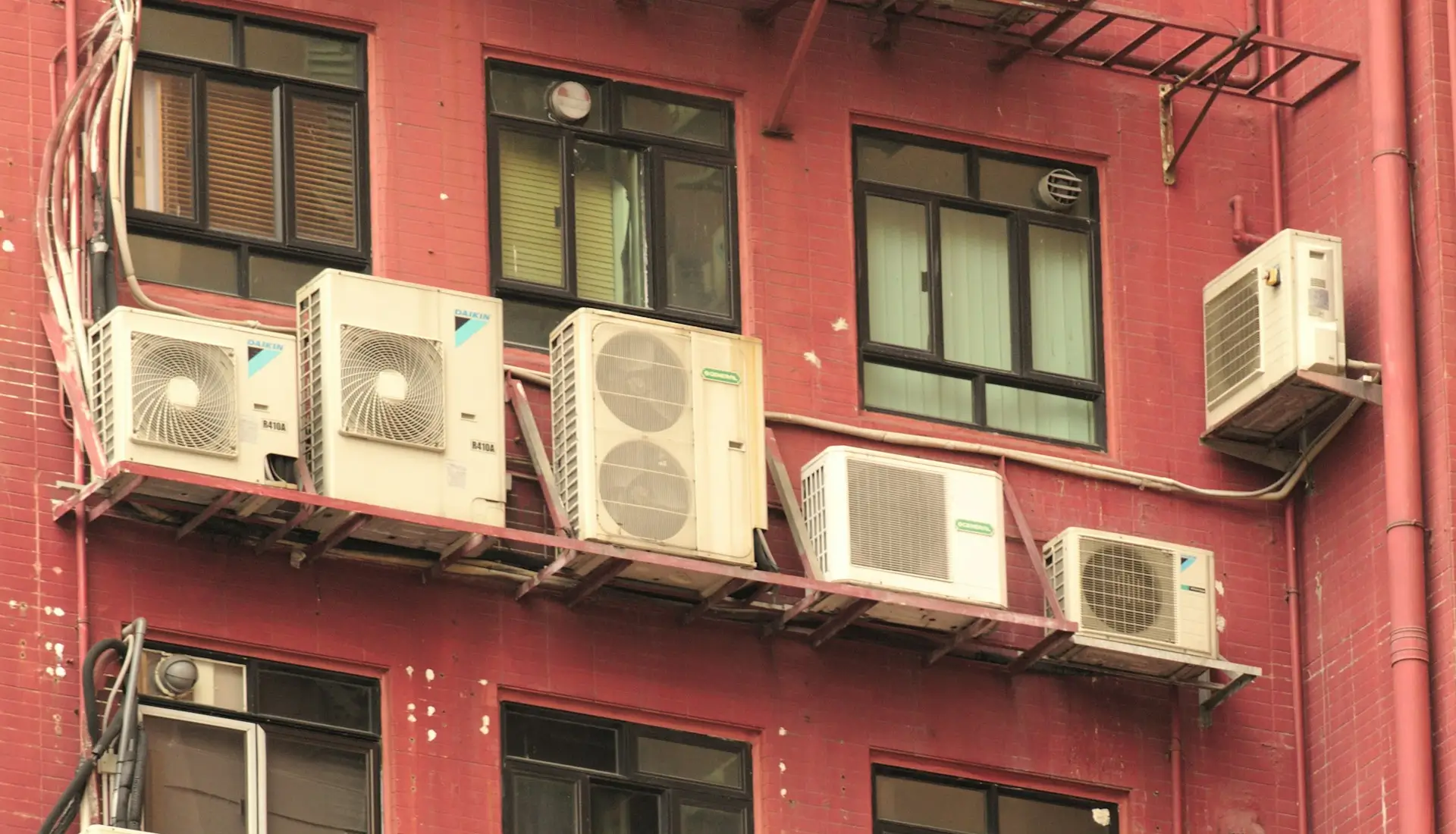
If you’re weighing up whether to repair, maintain, or replace ageing air conditioning as part of this decision, our guide on When Should You Upgrade Your Commercial Air Conditioning? A Facilities Manager’s Guide covers that side of the planning process.
Why PPM strengthens your next tender submission
For FMs working in or alongside procurement, this is often the part that matters most. Tender committees increasingly ask for evidence of a maintained estate as a submission requirement, not a nice-to-have — proof of servicing history, compliance certification, and a documented maintenance regime. A reactive-only approach leaves little to show beyond a folder of past invoices.
A PPM contract gives you a ready-made answer: consistent digital service records, compliance tracking already in place, and a maintenance provider who can supply supporting documentation on request. It turns “we maintain our equipment” from a claim into something you can evidence — which matters more with every tender cycle, as procurement teams get stricter about what counts as proof rather than assertion.
Budget certainty for the year ahead
September and October are when most FMs are already reviewing next year’s maintenance budgets. It is also the window for a pre-winter heating check. Our commercial heating maintenance checklist sets out what that check should cover. Moving from reactive spend to a PPM contract converts an unpredictable cost line into a fixed, plannable one — and gives you the documentation to justify it internally or at tender.
It also makes forecasting easier for finance teams. Reactive maintenance spend tends to arrive in unpredictable spikes, which makes it hard to plan capital expenditure or justify budget requests with confidence. A PPM contract, by contrast, is a known quantity that can be set against a fixed line in next year’s budget — one less variable to account for when the wider estate strategy is being planned.
FAQs
How often should commercial boilers be serviced?
Most commercial boilers need servicing at least once a year, though this varies by manufacturer guidance, usage intensity, and system type. A PPM contract sets this on a fixed schedule rather than leaving it to chance.
What’s included in a PPM maintenance contract?
Typically: scheduled inspections and servicing, priority response for issues that arise, agreed parts and labour terms, digital service records, and tracking of relevant compliance obligations such as F-Gas record-keeping.
Is a PPM contract more expensive than paying for repairs as needed?
Not usually across a full year. While reactive repair has no upfront cost, emergency call-out rates, unplanned downtime, and shortened equipment lifespan tend to make reactive maintenance the costlier option over time — a PPM contract simply spreads that cost predictably instead.