
Commercial air conditioning plays an important role in keeping offices comfortable during the warmer months, but knowing when an ageing system should be repaired, upgraded or replaced is one of the more difficult calls a facilities manager has to make. Get it wrong and a building ends up with either unnecessary spend or another system that doesn't match how the space is actually used.
Office layout, heat from equipment, poor airflow, inefficient controls, building insulation and the condition of the commercial air conditioning system can all affect comfort, running costs and how soon replacement becomes worthwhile.
There is also a wider workplace consideration. UK rules require indoor workplace temperatures to be reasonable during working hours, although there is currently no legal maximum temperature. HSE guidance notes that around 16°C would generally be reasonable for a normal office environment, while comfort also depends on humidity, air movement, sunlight and other conditions.
1. When Does a Commercial Air Conditioning System Need an Upgrade?
There is no single age at which every commercial air conditioning system should be replaced. Some systems can provide reliable service for many years with proper maintenance, while others become costly much sooner because of heavy use, poor maintenance, outdated controls or changes to the building.
The decision should therefore be based on the condition and performance of the system rather than its age alone.
Several warning signs are worth taking seriously.
Repairs Are Becoming More Frequent
One repair does not mean a commercial air conditioning system needs replacing. However, repeated faults can change the financial calculation.
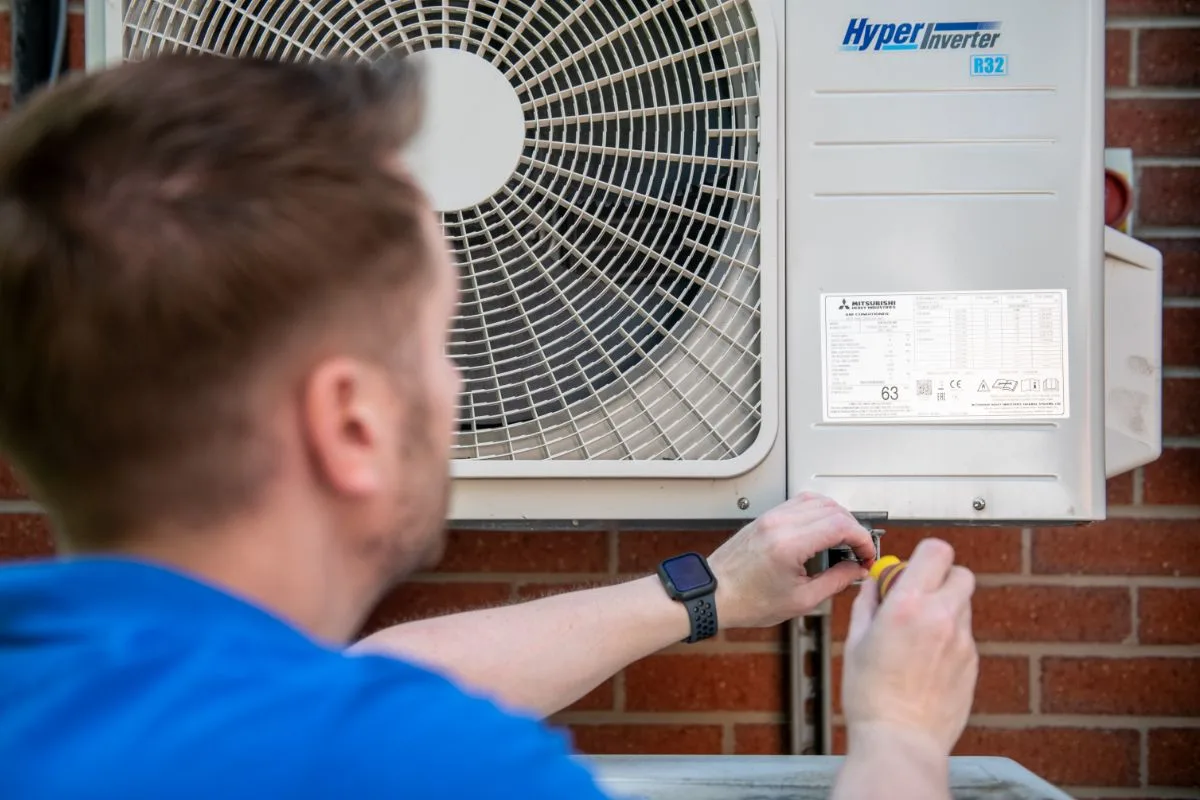
If engineers are regularly called out for compressor faults, electrical problems, refrigerant issues, fan failures or control faults, the cost can quickly add up. The usual causes of commercial air conditioning breakdowns are explained in a separate guide. There is also the disruption caused when an office loses cooling during working hours.
Facilities managers should look at the total repair cost over the previous two or three years rather than judging each repair separately. A system that needs another expensive component may no longer make financial sense to keep running.
Energy Bills Keep Increasing
A rise in energy costs does not automatically mean the commercial air conditioning system is at fault. Energy tariffs, occupancy levels and operating hours all affect bills.
However, if electricity consumption has increased while usage has remained broadly similar, the HVAC system running cost needs investigation.
Older equipment may need to run for longer to deliver the same level of cooling. Dirty components, ageing compressors, refrigerant problems and poor controls can make the situation worse.
A review of energy use alongside maintenance records can help identify whether replacement would be more sensible than continued repair.
The Office Has Hot and Cold Spots
A good office climate control system should provide reasonably consistent conditions across occupied areas.
If one side of the office is cold while another remains warm, simply changing the thermostat may not solve the problem. The cause could be poor air distribution, blocked filters, ageing fans, incorrect system sizing or changes to the office layout.
This issue often appears after an office has been refurbished. Internal walls, meeting rooms, partitions and changes in occupancy can alter the cooling requirements without any changes being made to the original air conditioning system.
In these situations, a professional assessment can determine whether the existing system can be altered or whether a new design would be more suitable.
Your Existing System May No Longer Match the Office
Office buildings rarely remain unchanged.
A company may grow from 30 employees to 100. A meeting room may become a server room. A large open-plan floor may be divided into smaller offices. Hybrid working may also mean that some areas are heavily occupied on certain days but almost empty on others.
These changes are particularly relevant to commercial office buildings, where occupancy can vary considerably between open-plan areas, meeting rooms, private offices and communal spaces.
A commercial air conditioning system designed for the original building layout may no longer match current demand.
This is particularly important with larger commercial properties. A system that was correctly specified ten years ago can become poorly matched to the building after several refurbishments.
Before replacing equipment, the building should be assessed as it exists today. A new design should consider room sizes, occupancy, heat loads, solar gain, equipment loads, working patterns and future plans for the property.
2. Should You Repair or Replace Commercial Air Conditioning?
This is one of the most common questions facilities managers face.
Repairing can make sense when the underlying system remains reliable and the fault is isolated. Replacement becomes more attractive when several problems appear at the same time.
Consider upgrading when:
- Repair bills are becoming regular. A series of expensive faults may cost more over time than investing in a new system.
- The system struggles to maintain comfort. If some rooms remain too warm or too cold despite servicing and correct controls, the existing design may no longer suit the building.
- Energy use is higher than expected. A technical assessment can determine whether ageing equipment is contributing to excessive consumption.
- Parts or support are becoming difficult to obtain. Older systems can become harder and more expensive to maintain when manufacturers phase out components.
- The building has changed. A refurbishment, extension or major change in occupancy may require a different approach to heating and cooling.
The decision should be based on the whole cost of ownership, not simply the price of a replacement unit.
3. Benefits of Upgrading an Office Air Conditioning System
A new system can provide more than improved cooling.
Modern commercial systems can offer better control over individual zones, quieter operation and more flexible heating and cooling. This can be useful in offices where different rooms have very different occupancy patterns.
For example, a meeting room may be occupied by 12 people for two hours, then remain empty for the rest of the afternoon. A system with suitable zoning and controls can respond to that demand rather than treating the entire floor in the same way.
New equipment can also help reduce reliance on ageing components and provide access to current manufacturer support.
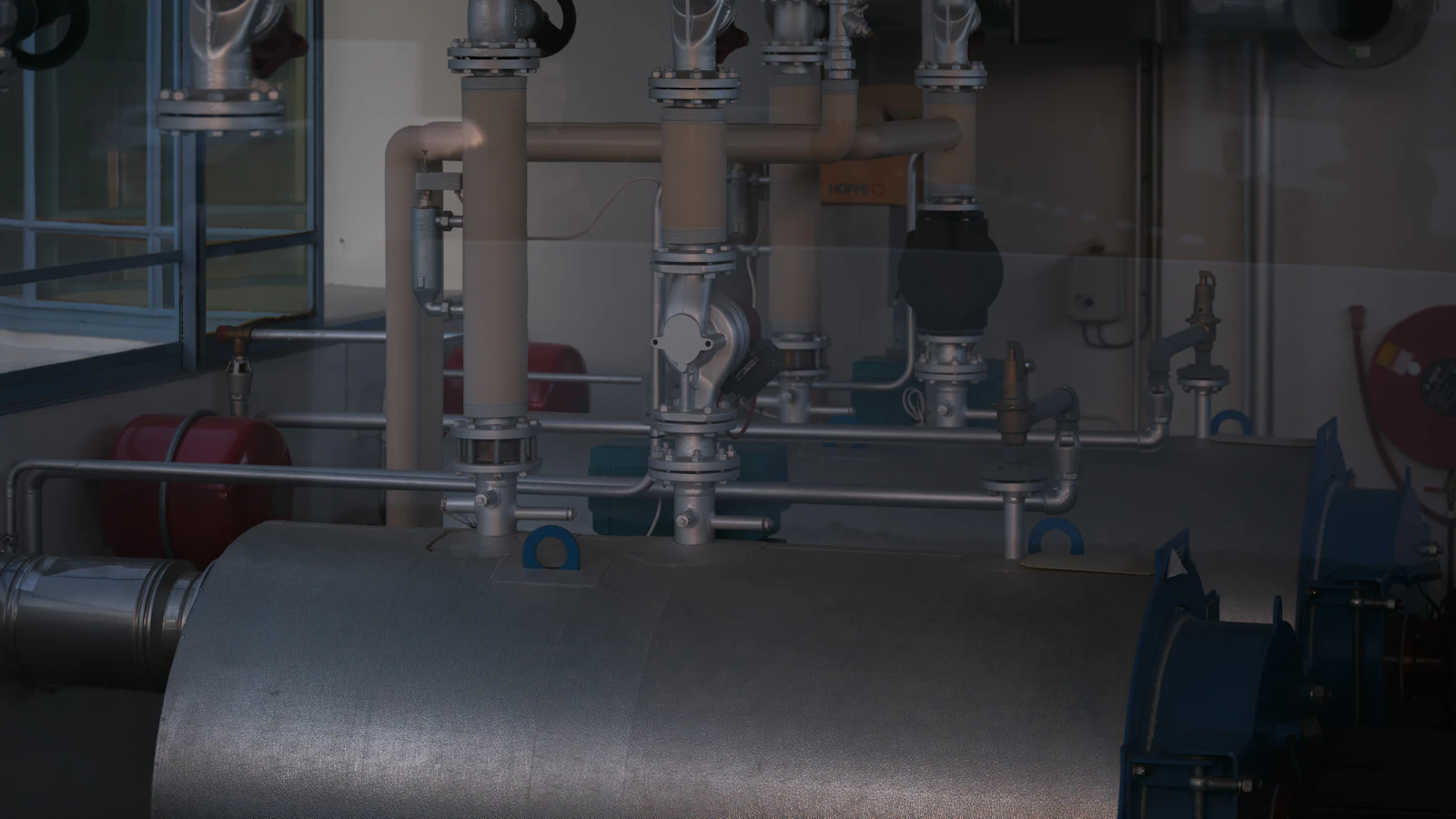
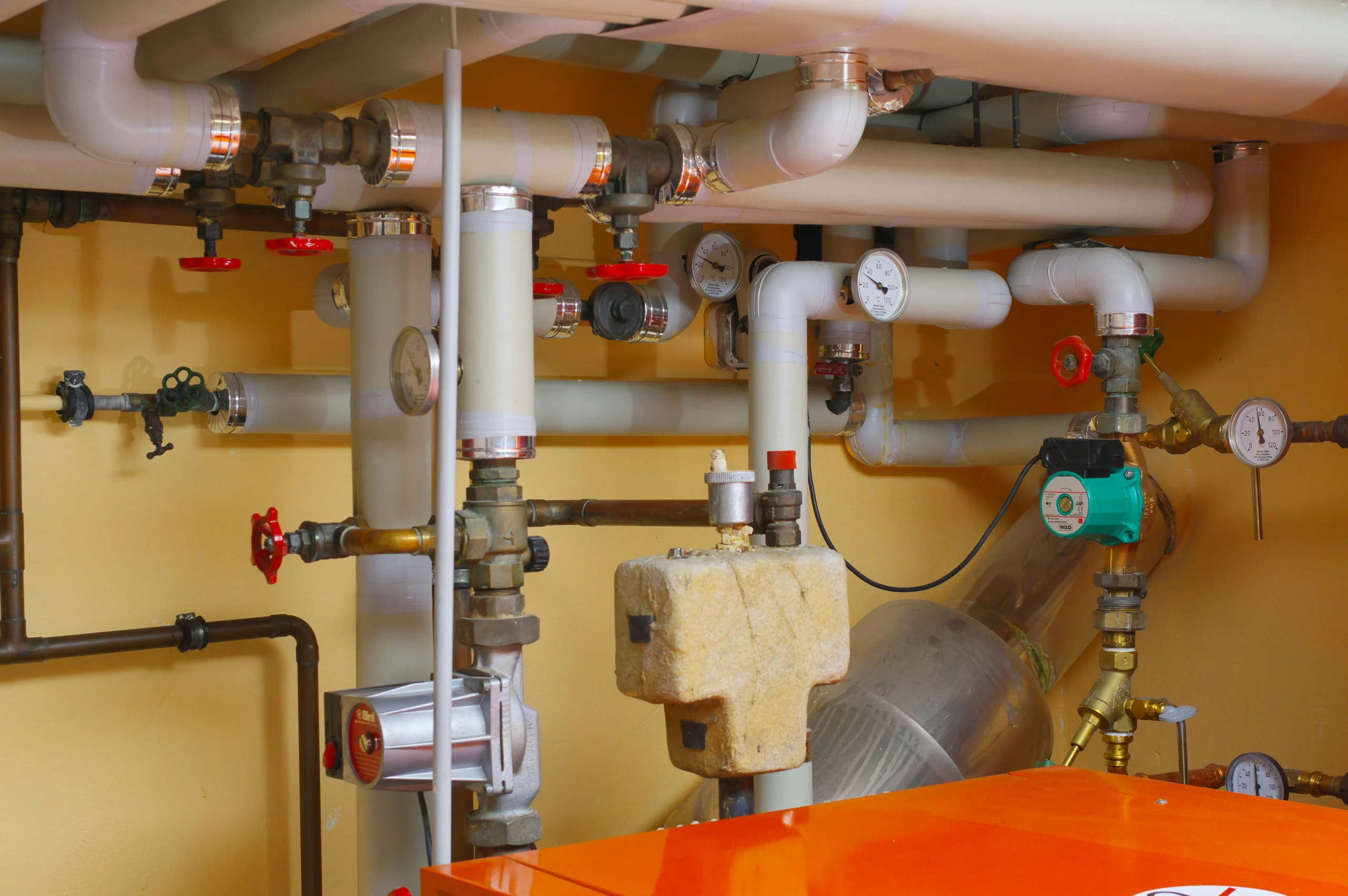
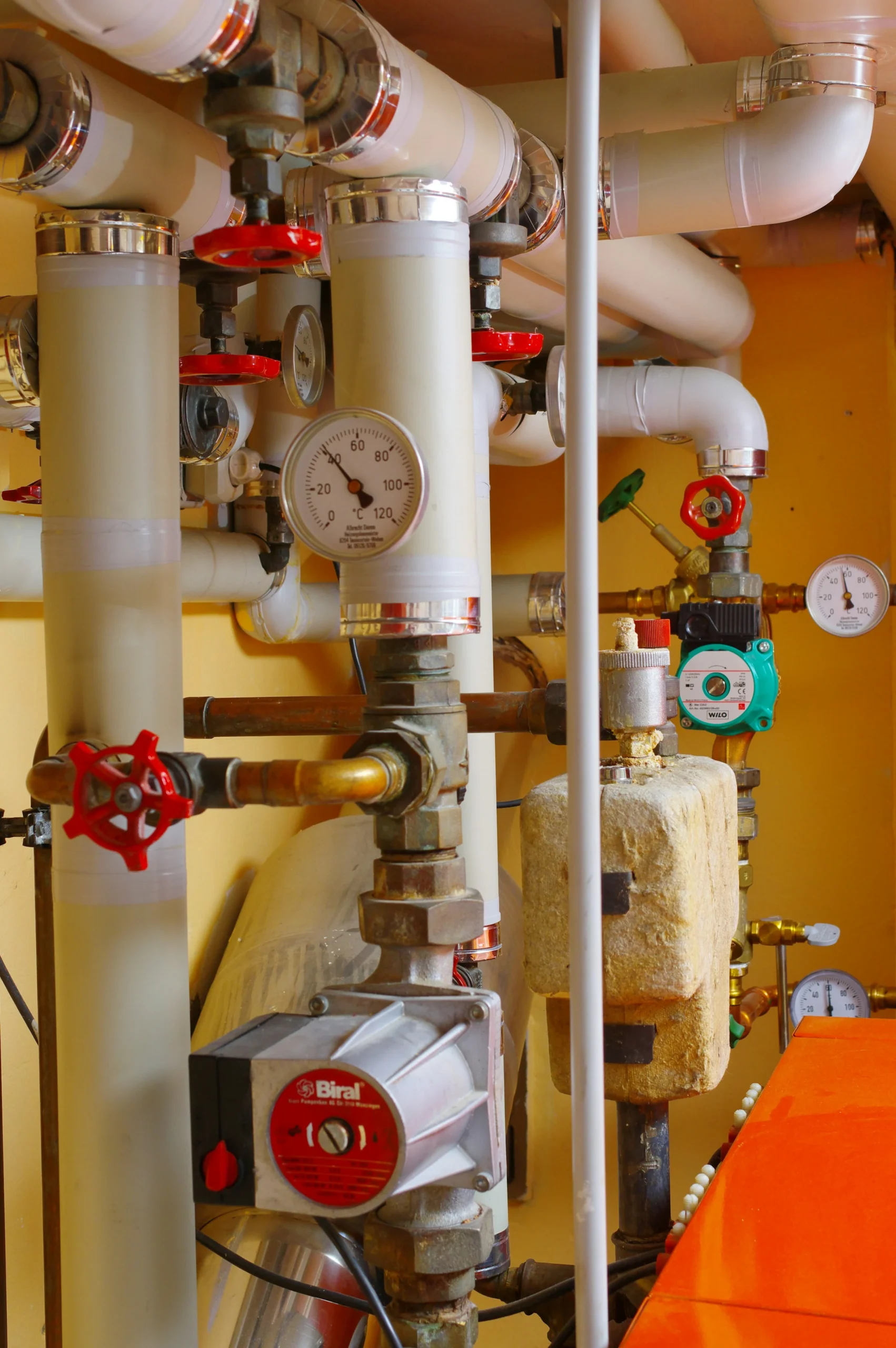
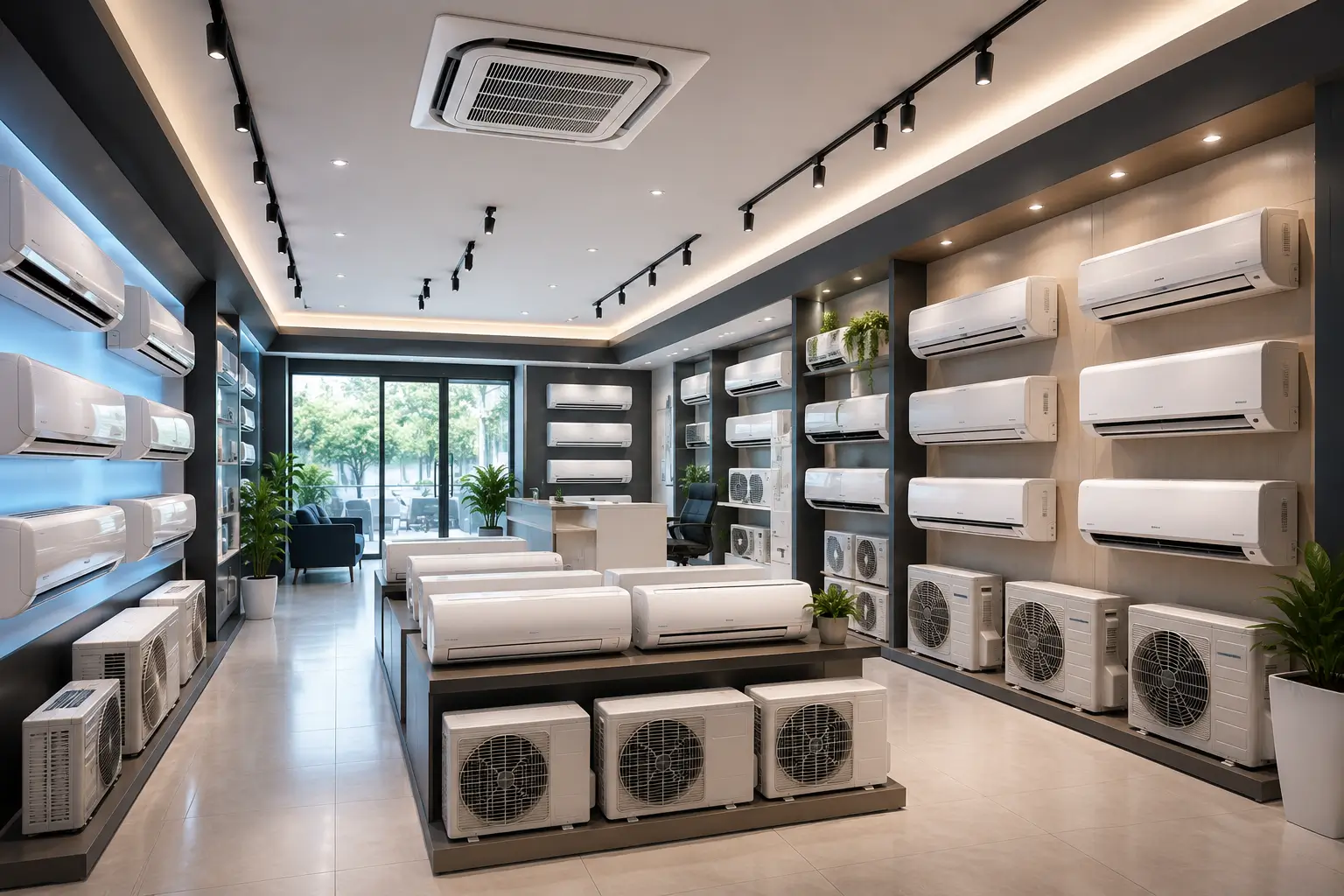
If the wider building also requires a heating upgrade, it may be worth reviewing the existing commercial boiler installation alongside the air conditioning system. This is particularly where an ageing plant room is contributing to rising maintenance or energy costs.Commercial air conditioning installation service covers system design and installation for offices, retail premises and industrial sites. You can choose from split, multi-split, ducted and VRF/VRV options, depending on the requirements of the building.
4. VRF and VRV Systems Can Suit Larger Offices
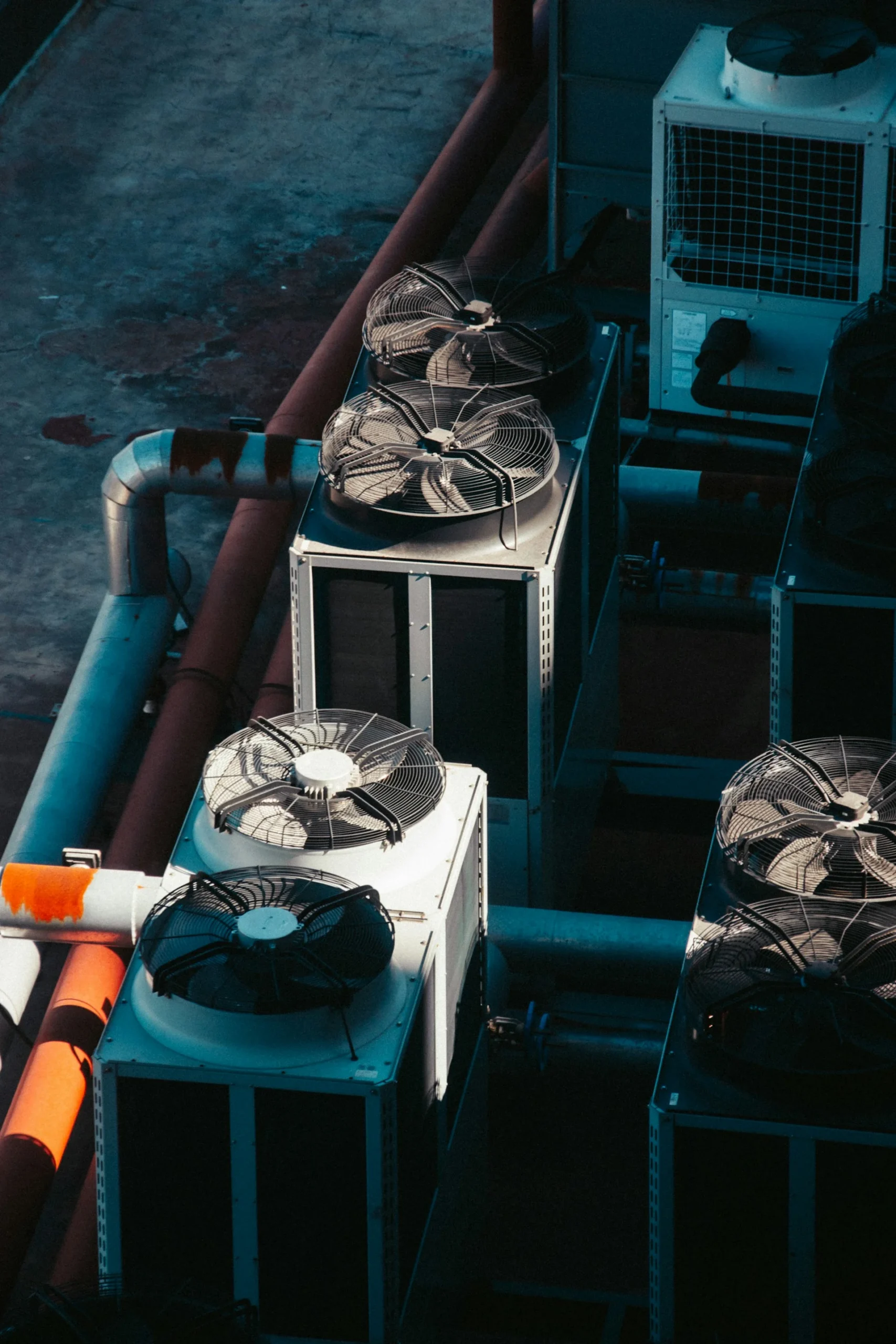
For larger offices or buildings with several occupied zones, VRF and VRV systems can be worth considering.
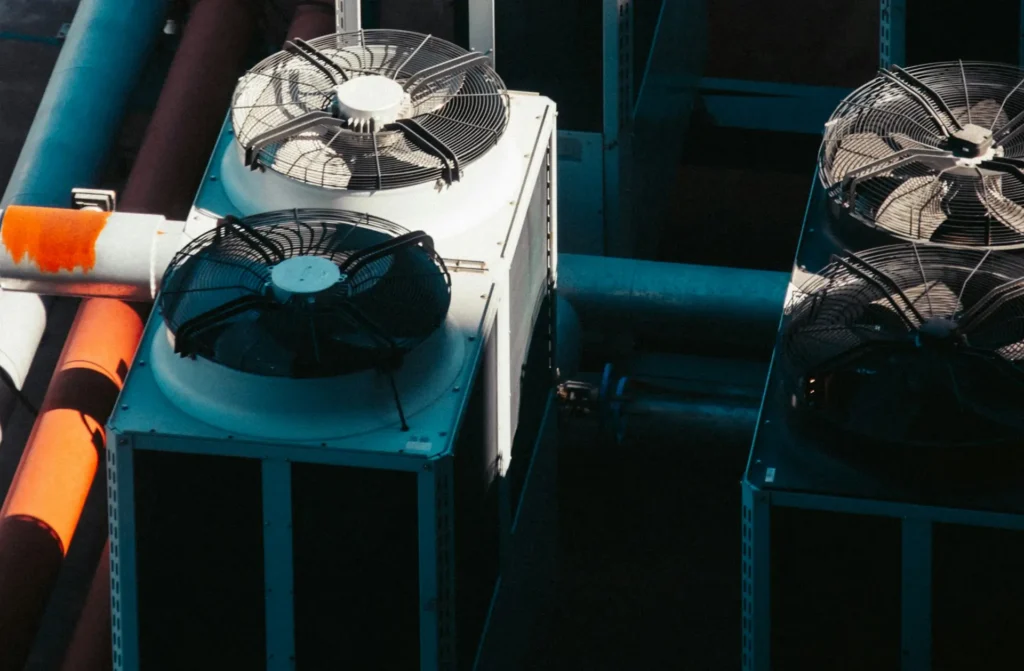
VRF stands for Variable Refrigerant Flow, while VRV is a manufacturer term used for a similar type of system. These systems can connect multiple indoor units to outdoor equipment and allow different areas to be controlled separately.
This can be useful where:
- Different departments have different occupancy levels.
- Meeting rooms are used intermittently.
- The building has several floors.
- Some areas need more cooling than others.
- Heating and cooling requirements vary throughout the building.
A VRF or VRV system should not be selected simply because it is a modern option. The building needs to be assessed first. A well-designed system should match the actual requirements of the property rather than being specified from floor area alone.
5. What Should Facilities Managers Check Before Approving a Replacement?
Replacing a commercial air conditioning system is a major decision. Getting the specification wrong can leave a building with another system that does not properly match its needs.
Before approving a project, ask for clear answers to the following:
What is causing the current problem?
Is the issue the age of the equipment, poor maintenance, incorrect sizing, poor controls or changes to the building?
Can part of the existing system be retained?
A good assessment should explain whether replacement of the entire system is necessary.
What will the new system cost to operate?
Ask for realistic information about expected energy use rather than relying on broad claims about savings.
How will installation affect staff?
Office air conditioning work can involve access to ceilings, electrical work, pipework and outdoor equipment. The installation plan should explain how disruption will be managed.
What maintenance will the commercial air conditioning need?
Ask about servicing intervals, access requirements, replacement parts and planned maintenance arrangements before choosing the equipment.
Is the system suitable for future changes?
If the business expects to expand, refurbish the building or change how office space is used, the new system should allow for those plans where practical.
6. Why Maintenance Still Matters After an Upgrade
Installing new equipment does not remove the need for maintenance.
Filters become dirty. Fans collect dust. Components wear. Controls can develop faults. Refrigerant systems also need appropriate checks and servicing. Regular commercial air conditioning servicing helps identify these issues before they develop into more serious faults.
It is recommended to have commercial HVAC servicing twice a year, once before summer and once before winter. Facilities managers can find more information about commercial HVAC services and how planned maintenance can support heating and cooling systems.
A maintenance programme should be based on the equipment, building use and manufacturer's requirements rather than applying the same schedule to every site.
For offices that require ongoing support, commercial service plans can provide a structured approach to planned maintenance, helping facilities managers keep servicing and system checks on schedule.
Conclusion
An ageing commercial air conditioning system should not be replaced simply because it has reached a certain age. Equally, continuing to repair a system that repeatedly fails, consumes more energy and struggles to maintain comfortable conditions may not be good value.
Look at the full picture: repair history, energy use, comfort, system controls, availability of parts, building changes and future requirements.
If the system no longer meets the needs of the office, an upgrade may provide a more reliable and practical long-term solution. If the equipment remains in good condition, a targeted retrofit or control upgrade could be enough.
The key is to assess the system before making the decision. For facilities managers and office building owners, that approach can reduce unnecessary spending while creating a more suitable working environment for the people who use the building every day.
Frequently Asked Questions
How long does commercial air conditioning usually last?
There is no fixed lifespan that applies to every commercial system. Usage, maintenance, installation quality and equipment type all affect service life. A condition assessment is more useful than using age alone to decide whether replacement is needed.
Is it cheaper to repair an old air conditioning system or replace it?
It depends on the fault, equipment condition and expected future repair costs. A single repair may be sensible, but repeated major faults can make replacement more attractive. Compare recent repair spending with the cost and expected running costs of a new system.
Can a new air conditioning system heat an office as well as cool it?
Many modern systems can provide both heating and cooling. Some VRF and VRV systems are designed for this type of year-round climate control. The suitability of a particular system depends on the building and its heating requirements.
Can air conditioning be upgraded without closing an office?
Yes. The work can sometimes be phased or scheduled outside the busiest working periods. The approach depends on the equipment, access, building layout and extent of the work. A detailed installation plan should be agreed before work starts so disruption can be managed properly.
Can an old office air conditioning system be upgraded instead of replaced?
In some cases, yes. Controls, individual components or parts of the system may be suitable for an upgrade. However, this depends on the condition and design of the existing equipment. A technical assessment should establish whether a retrofit is practical or whether full replacement would make more sense.