
Commercial plumbing maintenance rarely gets the attention that boilers and air conditioning do. Water systems sit behind walls and under floors, and they tend to get noticed only when something goes wrong: a leak through a ceiling, a toilet block out of action, or a kitchen that can't trade because the drains have backed up.
Yet plumbing carries some of the most important responsibilities in a commercial building. It supplies the hot and cold water staff and visitors use every day, it carries waste safely away, and it sits at the centre of a building's water hygiene arrangements.
This guide explains what commercial plumbing maintenance involves, the regulations that shape it, why commercial systems fail, and how plumbing is usually handled within a planned maintenance arrangement.
What is commercial plumbing maintenance?
Commercial plumbing maintenance is the planned inspection, servicing and upkeep of a building's water and drainage systems by qualified engineers. Its aim is to keep water safe and available, and to catch wear before it turns into a failure.
It differs from domestic plumbing in scale and in consequence. A commercial building may have water storage tanks, booster pumps, hot water cylinders or calorifiers, dozens of outlets across several floors, and drainage that serves kitchens or washrooms used by hundreds of people a day. When one part fails, it can affect a whole building rather than one household.
It also differs in who is responsible. In a commercial setting there are legal duties around washing facilities, water hygiene and the water supply itself, and these sit with the employer or the person in control of the premises.
What does planned plumbing maintenance usually cover?
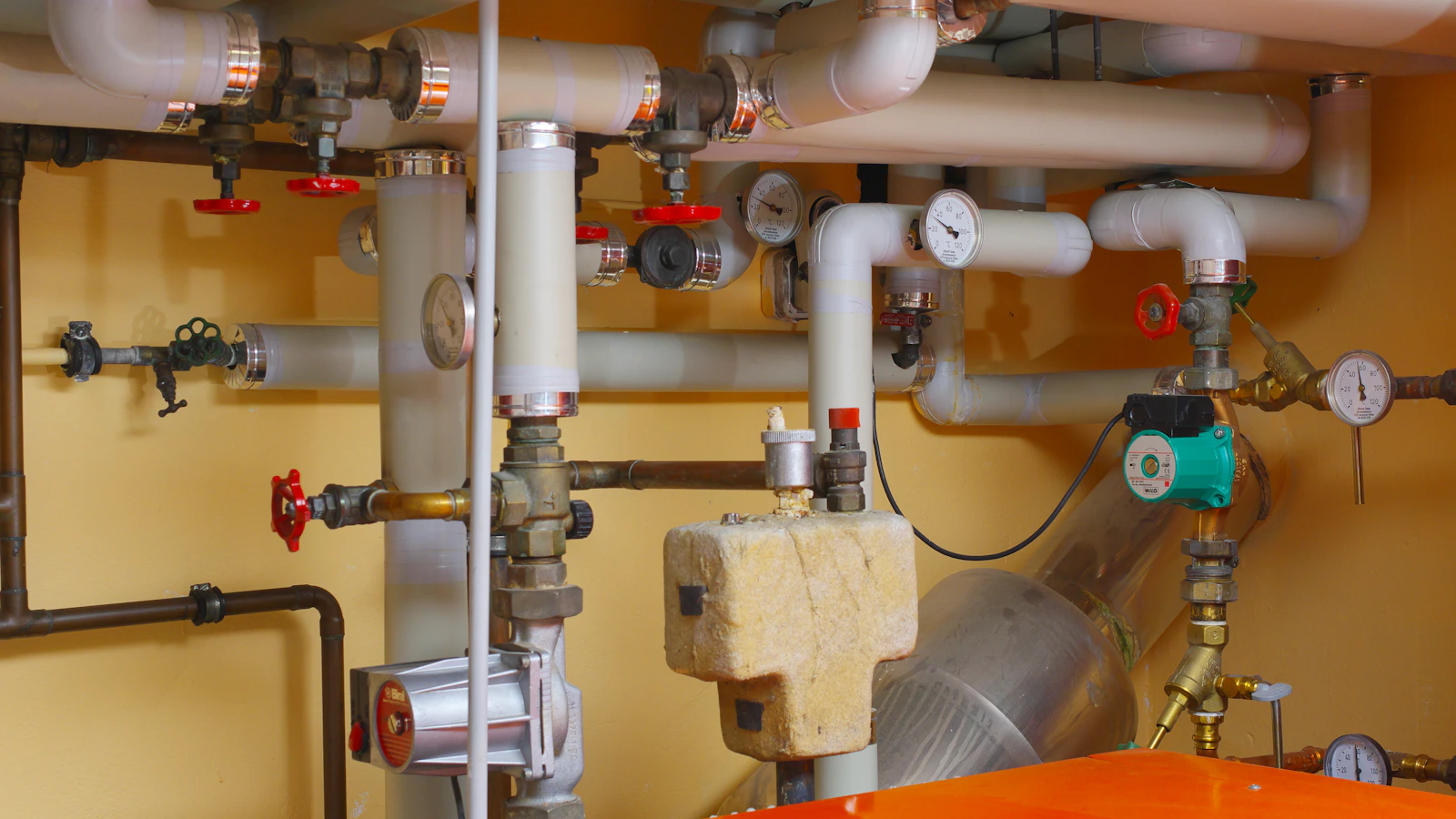
Every building is different, so the scope of planned plumbing maintenance is usually set by a site survey and the building's own risk assessments. In most commercial premises, a maintenance visit from a qualified engineer tends to cover some or all of the following:
- Hot water systems: inspecting and servicing water heaters, cylinders, calorifiers and their controls, valves and safety devices.
- Cold water storage: inspecting tanks for condition, lids, insulation and signs of contamination.
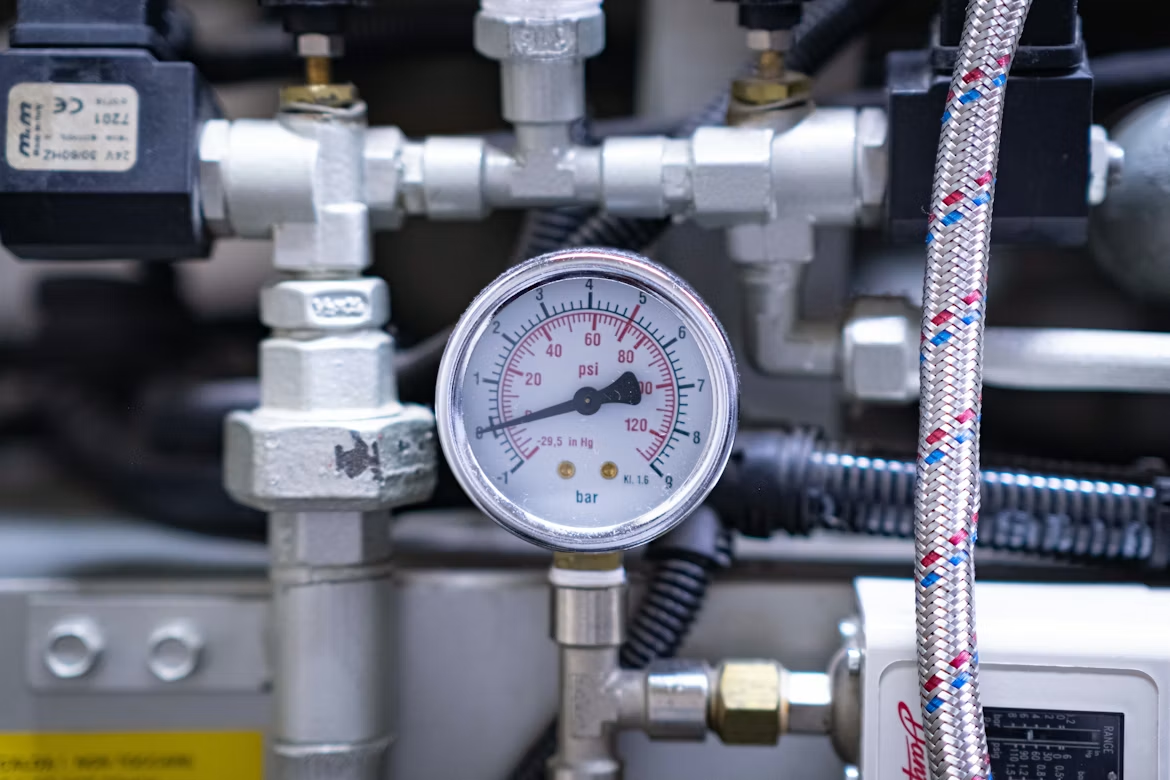
- Pumps and pressure: checking booster sets and circulation pumps so water reaches every floor at a steady pressure.
- Valves and fittings: testing isolation valves, checking backflow prevention devices and replacing worn washers and seals.
- Outlets and washrooms: checking taps, showers, toilets and urinals for leaks, poor flow or faults.
- Drainage: inspecting drains, traps and, in catering premises, grease management, before blockages build up.
- Pipework: looking for corrosion, weeping joints, damaged insulation and signs of hidden leaks.
- Records: logging what was inspected, what was found and what was done, so the building's records stay complete.
How often each task is done depends on the system, the building's use and its risk assessments. A busy kitchen's drainage, for example, usually needs more frequent attention than an office's.
What do the regulations say about water in the workplace?
Several sets of regulations shape how water systems in commercial buildings are managed. This article is written for buildings in England, and the summary below notes where each set of rules applies.
Washing facilities. Under regulation 21 of the Workplace (Health, Safety and Welfare) Regulations 1992, employers in England, Wales and Scotland must provide suitable and sufficient washing facilities. These must include a supply of clean hot and cold, or warm, water, running where practicable. A plumbing failure that takes washrooms out of use can therefore have welfare implications as well as practical ones.
Legionella and water hygiene. The Health and Safety Executive (HSE) explains that employers and people in control of premises, including landlords, have duties to identify, assess and control the risk from legionella bacteria in water systems. These duties come from health and safety law that applies across Great Britain, including the Health and Safety at Work etc Act, the Management of Health and Safety at Work Regulations and COSHH. HSE's Approved Code of Practice, L8, gives practical guidance. It covers assessing the risk, preparing a scheme to control it, putting precautions in place, reviewing them and keeping records. HSE also explains that dutyholders must appoint someone competent to help them manage the risk. That person can be the dutyholder, one or more workers, someone from outside the business, or a combination.
The water supply. The Water Supply (Water Fittings) Regulations 1999 govern how plumbing connects to the public water supply in England and Wales. Scotland and Northern Ireland have their own rules. Among other things, paragraph 15 of Schedule 2 generally requires water systems to contain an adequate device or devices to prevent backflow, which is contaminated water flowing back into the supply, subject to some exceptions. The device must be appropriate to the highest applicable fluid category downstream of it.
Which of these apply to a particular building, and how, depends on its use and set-up. Facilities managers usually take advice from a competent person on their own premises.
Why do commercial plumbing systems fail?
Many commercial plumbing failures build up gradually, and some give warning before they become disruptive. Common causes include:
- Wear on moving and sealing parts. Valves, washers, seals and pump components wear with use. In busy buildings, taps and toilets are used many times a day.
- Scale. Hard water leaves limescale in heaters, valves and pipework. It reduces efficiency, restricts flow and can stop controls working properly.
- Corrosion. Older pipework and fittings corrode over time, particularly where different metals meet. This can lead to pinhole leaks that go unnoticed inside walls or ceiling voids.
- Blockages. Fats, oils and grease from kitchens, and items flushed in washrooms, can contribute to drain blockages in commercial premises.
- Pressure problems. Failing booster pumps or pressure vessels can leave upper floors with weak or intermittent supply.
- Low use. Outlets that are rarely used, such as in empty offices or over school holidays, can let water stagnate. This is one reason water hygiene features so prominently in HSE guidance.
Signs that a system may need attention include damp patches, unexplained rises in water bills, slow drains, unpleasant smells, inconsistent hot water and gurgling or knocking pipes. When these appear, the right step is to have a qualified engineer investigate. Diagnosing plumbing faults safely needs the right training, tools and access.
How do different buildings approach plumbing maintenance?
The principles are the same everywhere, but the priorities change with the building:
- Schools and colleges have heavily used washrooms and long holiday periods when outlets sit idle. Maintenance is often planned around term dates, so larger work happens while buildings are empty.
- Restaurants, pubs and hotels depend on hot water and working drains to trade at all. Kitchen drainage and grease management tend to be a higher priority.
- Medical and healthcare premises often serve people who are more vulnerable to waterborne infection. Water hygiene arrangements and record keeping are typically more detailed.
- Offices usually have predictable patterns of use, but occupancy changes, such as hybrid working or empty floors, can leave parts of the system under-used.
- Multi-site estates benefit from one consistent schedule, standard records and a single point of contact, so standards don't drift from site to site.
How does plumbing fit into a maintenance contract?
Some maintenance contracts focus on heating and air conditioning, leaving plumbing to be handled through reactive call-outs. That approach tends to mean problems are found when they fail rather than when they start to wear.
Including plumbing in a planned preventive maintenance (PPM) contract brings it into the same schedule, records and response arrangements as the rest of the building services. Our guide to planned maintenance vs reactive repairs explains the wider trade-offs.
When reviewing a contract, it is worth checking how plumbing is described. Useful questions include:
- Which systems and assets are covered, and is there an asset list?
- How often is each task carried out, and who sets that frequency?
- How does the contract support the building's water hygiene arrangements and records?
- What response times apply to plumbing emergencies, such as major leaks or loss of water?
- Are parts, consumables and drain clearance included or charged separately?
Our article on what a commercial HVAC maintenance contract should include covers the wider contract questions. Heating is covered in our pre-winter heating maintenance checklist, and more about the plumbing services themselves is on our commercial plumbing page.
Frequently asked questions
It usually covers hot water systems, cold water storage, pumps, valves, backflow prevention devices, outlets, washrooms, drainage and pipework, along with records of the work. The exact scope is normally set by a site survey and the building's risk assessments.
There is no single answer. Frequencies depend on the type of system, how heavily the building is used and what its risk assessments identify. A competent engineer or water hygiene specialist can set a schedule for the specific premises.
HSE explains that employers and people in control of premises, including landlords, have duties to assess and control legionella risk. They must appoint someone competent to help manage the risk, which can be themselves, a member of staff or an outside specialist.
Backflow is when water flows back from a building's system into the supply pipework, which could contaminate it. The Water Supply (Water Fittings) Regulations 1999 generally require water systems to contain an adequate device to prevent it, appropriate to the highest applicable fluid category downstream. There are some exceptions, and these rules apply in England and Wales.
It can be. Some contracts cover heating and air conditioning only, while others include plumbing as well. Checking the contract's asset list and service descriptions shows what is covered.
Common signs include damp patches, rising water bills, slow drains, bad smells, inconsistent hot water and noisy pipes. These are best investigated by a qualified engineer.